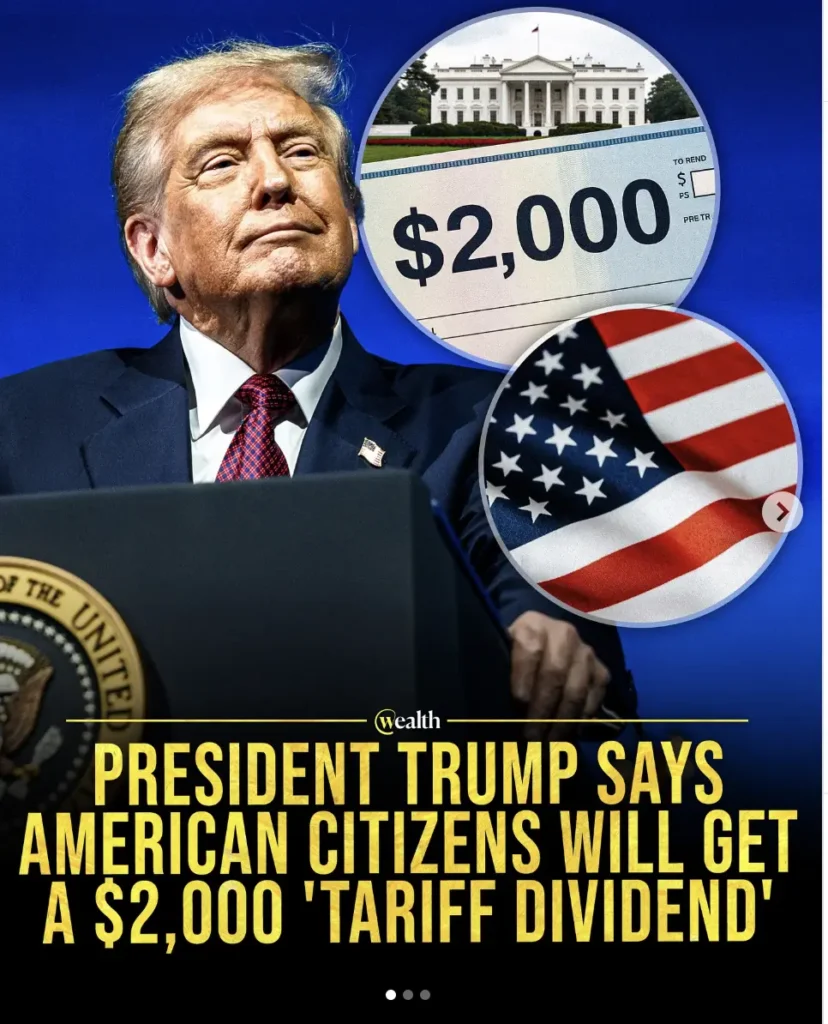
Stimulus check 2025 is a proposal by Donald Trump to give Americans at least $2,000 each as a “tariff dividend” funded by money collected from tariffs on imports.
He said this payout would exclude high-income individuals and would be for “most Americans”.
The idea: use the revenue from the tariffs to help everyday Americans directly.
Key takeaways:
- The stimulus check 2025 would be at least $2,000 per eligible person.
- It is tied to a “tariff dividend” drawn from U.S. import tariffs.
- High-income earners are excluded from receiving it.
- The plan still requires formal legislation and legal validation.

Table of Contents
Table of Contents
Current Key Numbers for Stimulus Check 2025 Plan
| Metric | Estimated Value |
|---|---|
| Proposed payment per eligible person | $2,000 or more |
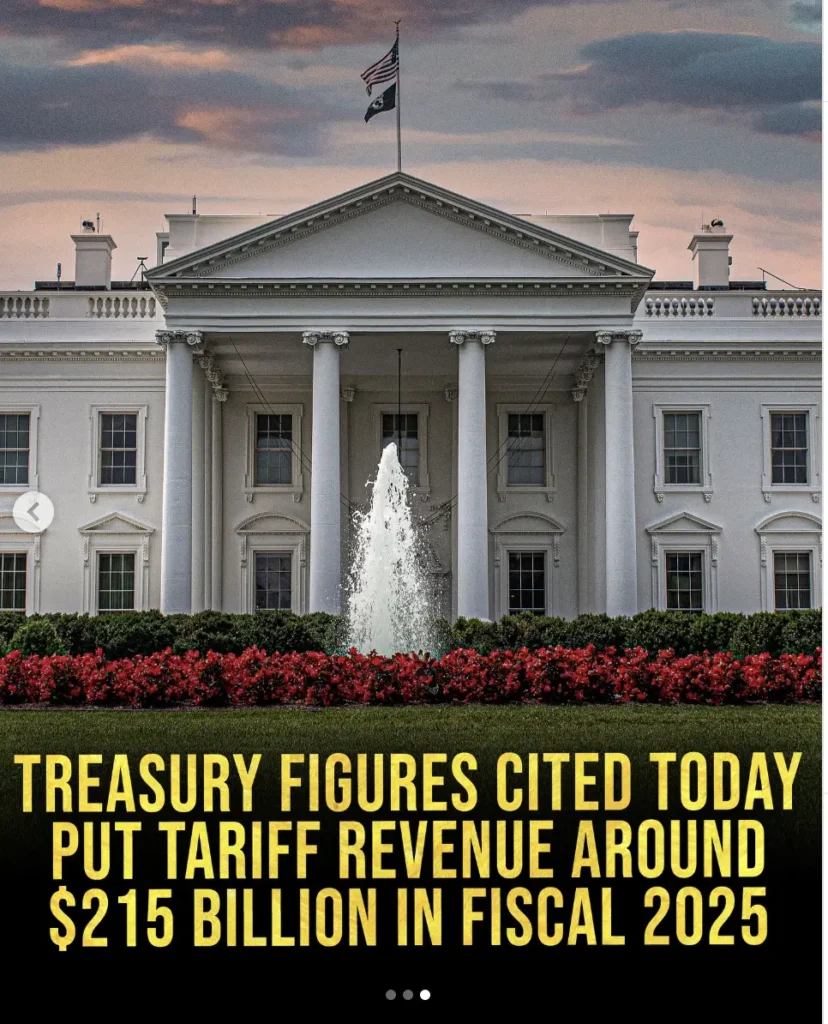
| Tariff revenue collected (2025) | Over $195 billion to date |
| Exclusion group | High-income individuals |
| Implementation status | Proposed; legislation needed |
Why it matters
This stimulus check 2025 matter because:
- It represents a shift in how the government might deliver financial relief, using tariff revenue instead of traditional tax cuts or direct appropriations.
- It could affect millions of Americans who might receive the payment, boosting spending power.
- It touches on trade policy: the tariffs that generate the funds also influence prices, imports, exports and international trade relations.
- It may impact the upcoming elections or public sentiment by offering direct cash across a broad base.
How this plan works (or would work)
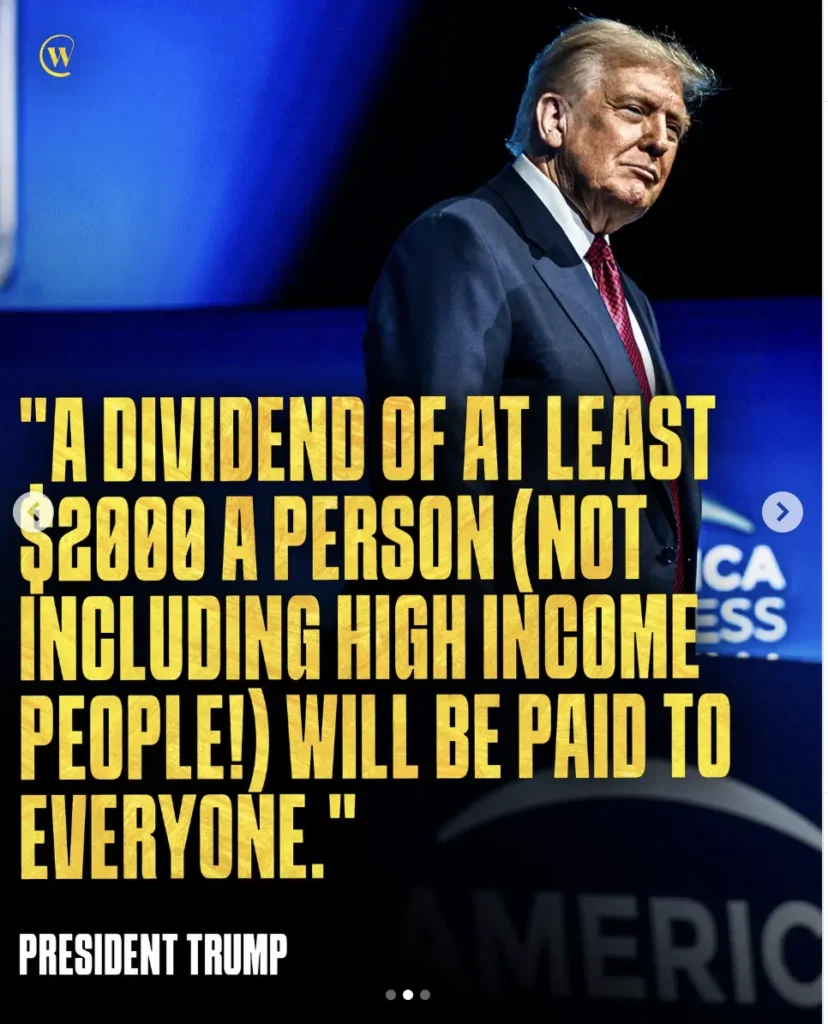
- Trump announced via a social media post that a dividend of at least $2,000 would be paid to most Americans, excluding the wealthy.
- According to Scott Bessent, U.S. Treasury Secretary, the payment could be distributed in different forms, not just a check: possibly tax cuts, rebates, or other fiscal measures.
- The source of funding: tariffs imposed by the U.S. government on imported goods. Trump claims tariffs have taken in “trillions” and will pay down debt and fund these dividends.
- The tariffs themselves were part of his broader trade policy, for example the “Liberation Day” tariffs announced for April 2025.
- But: legal and legislative hurdles remain. The plan needs Congress to approve the transfer and may face court challenges over whether tariffs can fund such payments.
Timeline / Recent updates
- April 2, 2025: Trump announced a major tariff plan dubbed “Liberation Day”, imposing broad tariffs on imports.
- Early August 2025: Trump said there could be a dividend from tariff revenues for middle- and lower-income Americans.
- November 9-10, 2025: Trump publicly announced via social media the $2,000 figure and linked it to archives of tariff revenue.
- Present: Media outlets are reporting how this stimulus check 2025 might be delivered and what the legal status is.
Geographic / Scope
- The plan applies to the United States of America.
- The stimulus check 2025 targets U.S. citizens (or eligible residents) except high-income individuals, according to Trump’s announcement.
- Internationally, the tariffs underlying the plan affect U.S. trading partners (including India, China, EU) and thus global trade-relations.
IMPACT : What it means for industry, economy, people
For people:
- Some millions of Americans could receive an extra $2,000 or more, that means increased disposable income, more spending, maybe less borrowing.
- But, because tariffs often raise prices on imported goods, some consumers may already be paying more for everyday items.
For the economy/industry:
- Tariffs generate revenue but also may hurt certain industries, those that rely on imported raw materials or finished goods may face cost hikes or retaliation.
- The plan may stimulate consumer spending, which can help the economy short term.
- On the flip side: if tariffs lead to trade wars or supply-chain disruptions, industries may suffer.
- The executive move highlights the blending of trade policy with social-welfare policy in a new way.
For global trade relations:
- This stimulus check 2025 plan is linked to aggressive U.S. tariff policy, which has unsettled some trading partners.
- If tariffs remain high, exports from U.S. partners may fall, and retaliatory tariffs could hurt U.S. exports.
FAQ Stimulus Check 2025
Q1: Who qualifies for the $2,000 stimulus check 2025?
- According to Trump’s announcement, “most Americans” will be eligible, excluding high-income people. The exact income cutoff hasn’t been finalized.
Q2: When will the payments be made?
- There is no fixed date yet. The plan is at the proposal stage and needs legislative or administrative implementation.
Q3: How will the payment be funded?
- The payment is to be funded by revenues from tariffs imposed on imports, i.e., a “tariff dividend”.
Q4: Why is this called a “tariff dividend”?
- Because it uses income (dividends) from tariffs (taxes on imports) to return money to the public. Similar in concept to how a company might share profits with shareholders.
Q5: Does this mean tariffs hurt less now?
- Not necessarily. While some benefit may be returned, tariffs still raise costs for imported goods and may provoke trade retaliation.
Q6: What are the legal or political obstacles?
- Yes. Congress must approve how the funds are used, and courts may challenge whether tariffs can be used this way under current law.
This stimulus check 2025 proposal shows how trade policy and public finance are being combined in a new way, taxpayers may receive a direct benefit from tariffs, but many details still need to be worked out. For ordinary Americans, the promise of $2,000 is big news. For businesses, trade officials and global markets, the implications of tariff-driven payments add both opportunity and risk.
Youtube Video : Stimulus check 2025
Mandatory Disclaimer for Finance News
Disclaimer: This article is for informational and educational purposes only. It does not constitute financial advice, investment recommendation, or a solicitation to buy or sell any securities. Stock prices and financial data mentioned are subject to change. Readers should do their own research or consult with a licensed financial advisor before making investment decisions.
Please visit https://usanewsbyte.com/ for more such informative news updates

Jennifer Anderson is a financial correspondent for USANewsBytes.com, where she reports on U.S. equity markets, corporate developments, and economic trends. With a focus on data driven journalism, she covers market movements, company performance, and investment themes, often incorporating in depth chart analysis to deliver clear and actionable insights to readers.
Her coverage spans major U.S. sectors, quarterly earnings cycles, and breaking financial news that impacts investors and policy watchers alike. Outside of her reporting duties, Jennifer enjoys watching tennis, chess matches and engaging with analytical research in the world of finance.